Altitude Adjustments: How Elevation Changes Shape Performance Metrics in Mountain-Based Tennis Tournaments and Soccer Matches for Informed Wagers
Anna Beck · Jun 11, 2026
Altitude Adjustments: How Elevation Changes Shape Performance Metrics in Mountain-Based Tennis Tournaments and Soccer Matches for Informed Wagers
High-elevation venues in tennis and soccer create distinct physical conditions that alter ball behavior, player endurance, and scoring patterns according to multiple studies on atmospheric pressure and oxygen availability. These changes appear consistently in locations above 1500 meters, where reduced air density allows balls to travel farther and faster while athletes experience quicker fatigue during sustained efforts. Observers note that data from events in the Andes and European Alps show measurable shifts in key metrics like serve speeds in tennis and goal totals in soccer, which in turn influence betting markets on totals, player props, and match outcomes.
Tennis at Elevation: Ball Flight and Rally Dynamics
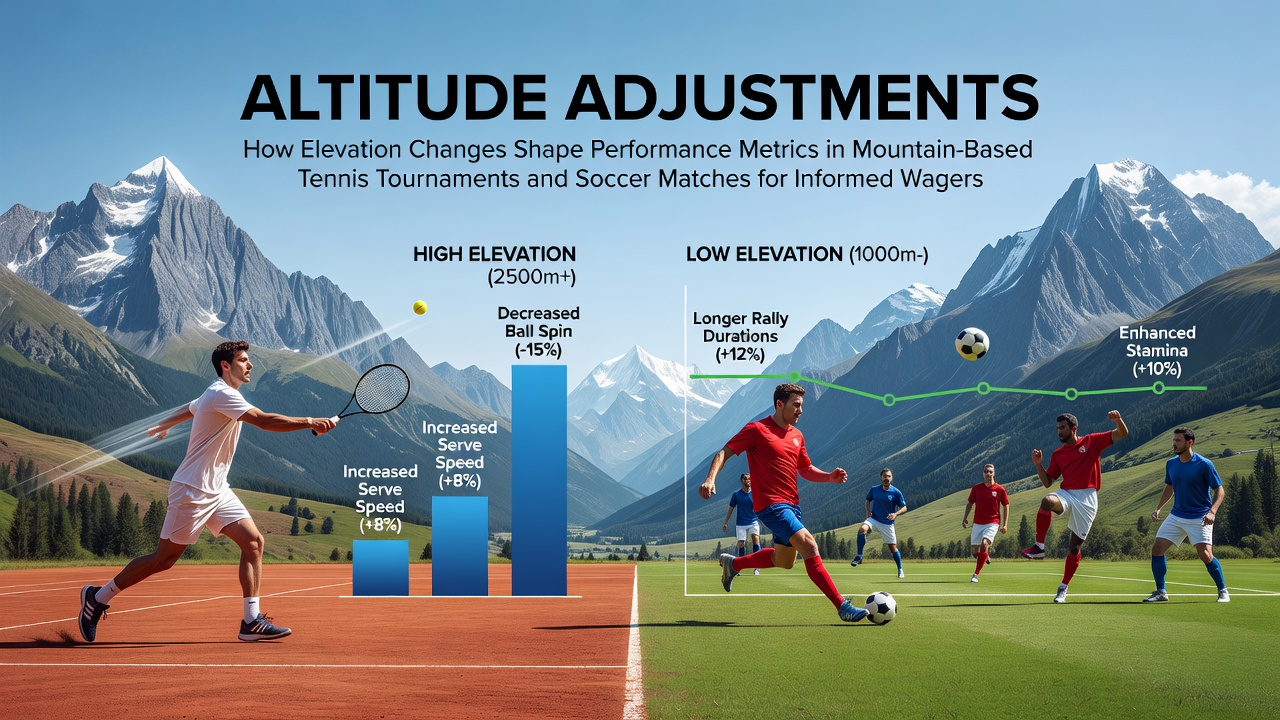
Tournaments held in mountain cities such as Bogotá at 2640 meters and Quito at 2850 meters demonstrate how thinner air reduces drag on the ball, leading to higher bounce and increased velocity on serves and groundstrokes. Researchers tracking ATP and WTA matches at these sites have recorded average first-serve speeds rising by 4 to 7 percent compared with sea-level equivalents, with aces occurring at elevated rates during opening sets. Rally lengths tend to shorten because the ball moves through the air more quickly, which limits defensive retrieval and favors aggressive baseline play from the outset.
Physiological data collected during these events indicates that players require longer recovery intervals between points due to lower oxygen uptake, although the effect varies by individual acclimatization. Those who arrive several days early often maintain higher movement efficiency, while late arrivals show drops in court coverage during longer exchanges. Betting markets on total games or set winners frequently adjust lines once historical patterns from these venues become available, particularly for matches scheduled in the first week of June when several South American clay-court events take place.
Soccer Matches in Mountain Settings: Aerodynamics and Endurance Factors
Soccer competitions at altitude, including those in La Paz at 3600 meters and Mexico City at 2240 meters, produce faster ball speeds on long passes and shots because of reduced air resistance. FIFA technical reports document that shots on target travel approximately 5 to 8 percent quicker at these elevations, increasing the likelihood of goals from distance while also affecting goalkeeper reaction times. Match statistics compiled over multiple CONMEBOL and CONCACAF qualifiers reveal higher average goal counts in the first half when visiting teams have limited time to adapt, followed by a gradual decline in intensity as the game progresses.
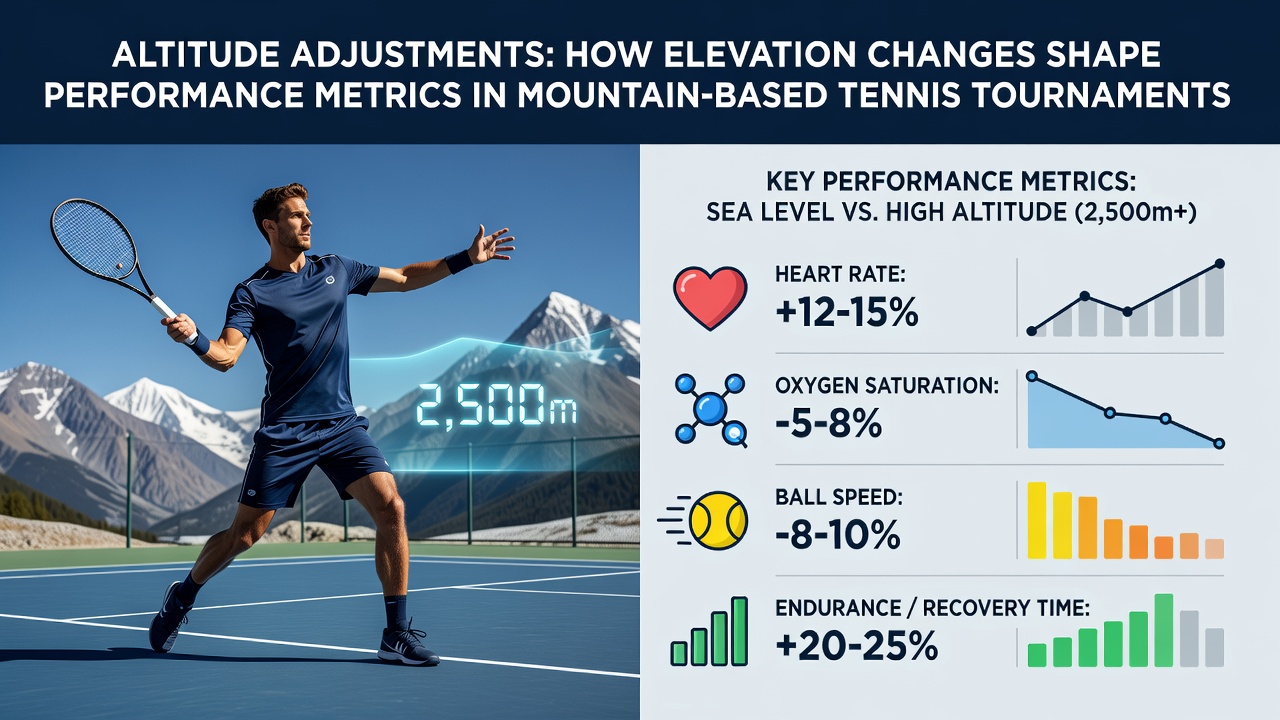
Endurance metrics collected by sports science teams highlight elevated heart rates and earlier onset of lactate accumulation for non-acclimated players, which leads to more substitutions in the second half and fewer high-intensity sprints after the 60-minute mark. Teams based permanently at altitude maintain steadier work rates throughout, creating predictable edges in total goals and corner markets when home sides face lowland opponents. June 2026 schedules include several preparatory fixtures at these venues ahead of larger tournaments, allowing analysts to update models with fresh performance data on set-piece conversion and counter-attack success rates.
Integrated Metrics for Wager Evaluation
Performance databases that combine tennis and soccer results from comparable elevations show overlapping patterns in how reduced oxygen influences decision-making under fatigue. In tennis, second-set tiebreak frequency rises when matches extend beyond 90 minutes, while soccer sees increased stoppage time and injury substitutions after the 75th minute at similar heights. Wagering platforms incorporate these variables into player prop offerings, such as total points in tennis sets or shots on target in soccer, with lines shifting in response to confirmed roster arrivals and prior acclimatization periods.
Studies from the University of Innsbruck on alpine endurance sports provide additional context on how altitude thresholds above 2000 meters affect repeated sprint ability, a factor relevant to both late-match tennis tiebreaks and soccer extra-time scenarios. Separate findings from the Australian Institute of Sport further quantify changes in ball trajectory across different elevations, supporting adjustments to expected totals when events move from coastal to mountain locations. These sources allow wager evaluations to account for venue-specific baselines rather than relying solely on overall season averages.
Case Patterns from Recent Seasons
Historical match logs from Andean tennis events between 2022 and 2025 indicate that qualifiers who train at moderate elevations before arriving post fewer unforced errors in deciding sets compared with direct sea-level travelers. Similar patterns appear in soccer, where domestic league sides in Bolivia record higher clean-sheet percentages at home than visiting clubs from lower altitudes, particularly during evening kickoffs when temperature drops compound oxygen demands. June schedules often feature double-headers or back-to-back fixtures at these sites, amplifying cumulative fatigue effects that appear in second-match totals and spread markets.
Tracking tools used by professional analysts aggregate serve percentages, pass completion rates, and distance covered per minute across multiple high-elevation tournaments. These figures reveal that adaptation windows of 48 to 72 hours produce the most stable performance baselines, after which variance in metrics decreases. Bettors who monitor arrival reports and training updates can align wagers with these established recovery timelines rather than applying uniform models across all venues.
Conclusion
Elevation-driven changes in ball dynamics and athlete physiology remain consistent across documented mountain tennis tournaments and soccer matches, producing measurable impacts on scoring rates, rally lengths, and substitution patterns. Data from multiple governing bodies and academic institutions confirm that these effects influence specific betting markets when properly contextualized with venue history and player preparation timelines. Continued collection of performance statistics from upcoming June 2026 events will further refine predictive models for totals, props, and outcome probabilities at altitude.